

Congratulations! You’ve booked your dream safari with Jamutech Tours and Travel. Now comes the part that many travelers find most daunting: packing.
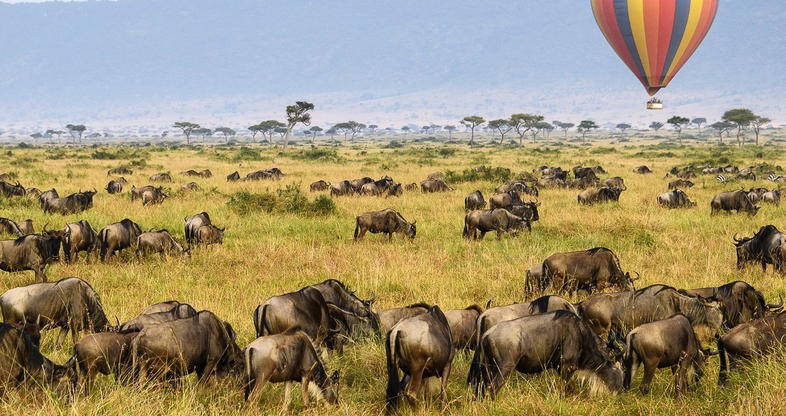
A Kenya safari is a unique experience that requires a thoughtful approach to luggage. You’ll be transitioning from chilly dawn game drives to the midday heat of the savannah, and potentially onto the humid breeze of the Kenyan coast. To ensure your trip is focused on the wildlife and not on a wardrobe malfunction, we’ve compiled the definitive packing guide.
1. The Golden Rule: Layering and Colors
In the bush, fashion takes a backseat to function. The key is layering.
- The Colors: Stick to “Safari Chic”—khaki, olive, tan, and brown. These colors blend into the landscape and don’t attract the heat.
- The “No-Go” Colors: Avoid Bright White (it gets dusty instantly), Dark Blue/Black (it attracts Tsetse flies), and Bright Neon (it can startle wildlife).
- Camouflage Warning: In Kenya, camouflage or military-style clothing is strictly for the armed forces. Do not pack it, as it can lead to questioning at checkpoints.
Must-Have Clothing items:
- A Lightweight Fleece or Windbreaker: Early morning game drives in the Masai Mara or Amboseli can be surprisingly cold.
- Convertible Cargo Pants: Great for transitioning from a cool morning to a hot afternoon.
- Long-Sleeved Breathable Shirts: These protect you from both the sun and evening mosquitoes.
- A Wide-Brimmed Hat: Essential for protecting your face and neck during open-roof game drives.
2. Footwear: Comfort Over Style
Unless you are booked for a professional walking safari, you don’t need heavy-duty mountain boots.
- Daily Wear: A sturdy pair of closed-toe sneakers or light hiking shoes are perfect.
- At the Lodge: Bring a pair of sandals or flip-flops for relaxing around the camp or pool.
3. Essential Gear & Tech
You are going to see things you’ll want to remember forever. Don’t let a dead battery or a blurry lens stand in your way.
- Binoculars: Do not rely solely on your guide’s pair. Having your own 8×42 binoculars changes the experience entirely when spotting a leopard in a distant tree.
- Camera Equipment: If using a DSLR, a 70-300mm lens is the minimum recommended for wildlife. Remember extra memory cards!
- Power Bank: While Jamutech vehicles are equipped with charging ports, a portable power bank is a lifesaver during long days in the field.
- Universal Plug Adapter: Kenya uses Type G (the British-style three-pin plug).
4. Health & Personal Care
- Sun Protection: The Kenyan sun is intense, especially near the equator. Use SPF 30+ and lip balm with sunscreen.
- Insect Repellent: Look for brands containing DEET for the best protection against mosquitoes.
- Personal Meds: While we carry first-aid kits, bring your own supply of antihistamines, motion sickness pills (for the bumpy “African Massage” roads), and any prescription medication.
5. The “Leave Behind” List (Important!)
- Plastic Bags: Kenya has a strict ban on single-use plastic bags. This includes duty-free bags. Use reusable cloth bags or dry bags for your laundry and toiletries.
- Heavy Suitcases: If you are taking a “Flying Safari” (internal bush flights), there is a strict 15kg (33lbs) limit in soft-sided bags. Hard-shell suitcases often won’t fit in the small aircraft holds.
- Hair Dryers: Most eco-camps run on solar power and cannot support high-wattage appliances. Embrace the “wind-swept” safari look!
Final Pro-Tip from Jamutech
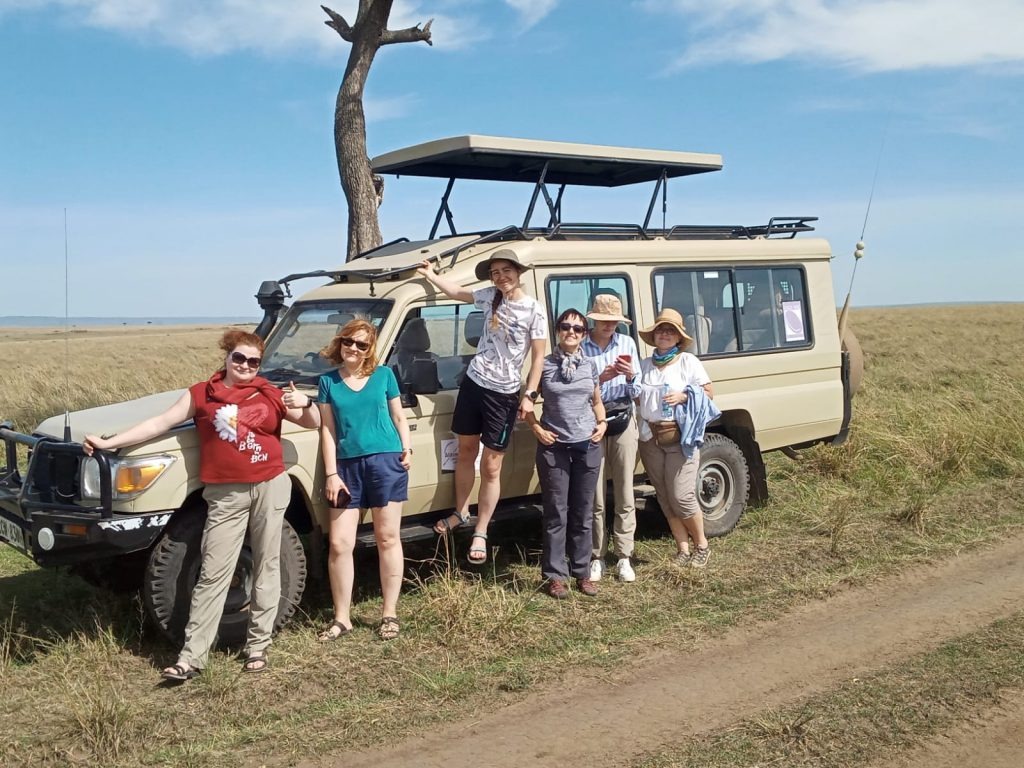
Pack a small “Day Bag” that stays with you in the safari vehicle. In it, keep your binoculars, camera, sunscreen, and a light jacket. This way, you’re always ready when that pride of lions appears around the corner.
Ready to start your adventure? Contact our expert team today to customize your itinerary. Hakuna Matata!


